


Crude rebounds after Iran-US standoff halts tanker movement
Anabelle Colaco
21 Apr 2026, 14:36 GMT+10

 Share
Share
 Tweet
Tweet
 Share
Share
 Flip
Flip
 Email
Email
Subscribe and Follow
Get a daily dose of Dallas Sun news through our daily email, its complimentary and keeps you fully up to date with world and business news as well.


News RELEASES
Publish news of your business, community or sports group, personnel appointments, major event and more by submitting a news release to Dallas Sun.
More InformationFired Foreign Office head says PMO pressured him to approve Mandelson

LONDON, U.K.: Olly Robbins, the ex-civil servant who was fired from his job for approving Peter Mandelson's appointment as British...
Ship that overturned in typhoon found near Saipan, 6 still missing
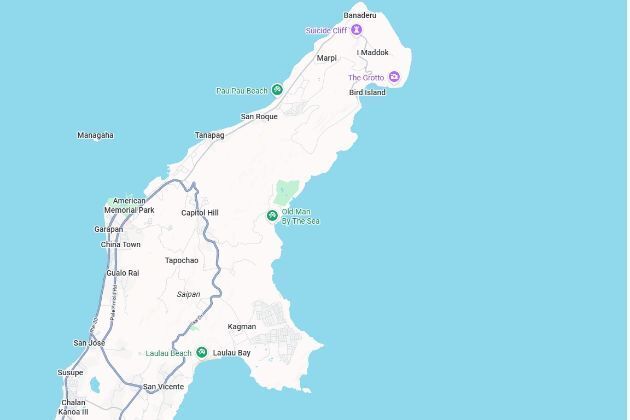
HAGATNA, Guam: The U.S. Coast Guard said on Monday that an overturned ship found near the U.S. territory of Saipan was the same one...
US, Iran talks uncertain before ceasefire ends on April 22
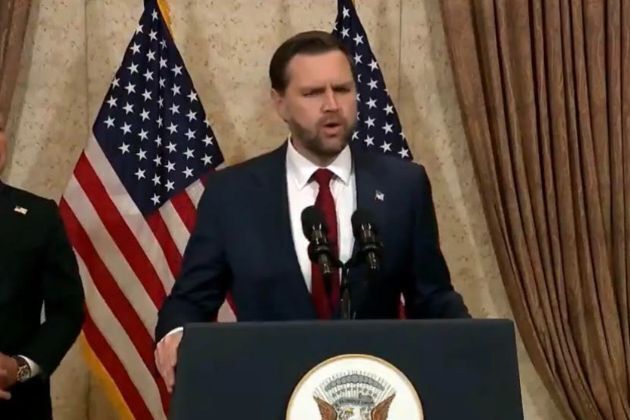
ISLAMABAD/WASHINGTON/CAIRO/: Last-minute ceasefire talks between the U.S. and Iran appeared increasingly uncertain as the two-week...
Carney: Canada’s ties with US have become a weakness that needs fixing
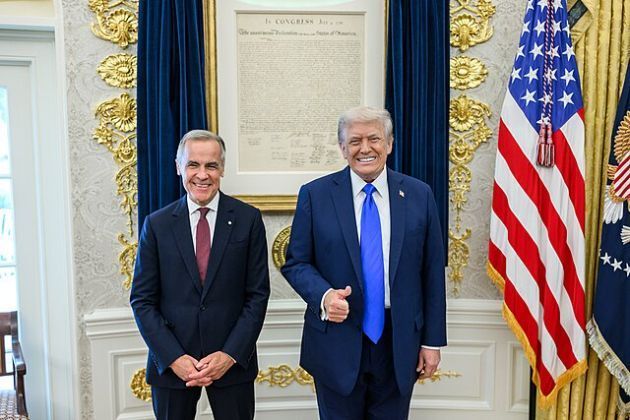
VANCOUVER, Canada: Canadian Prime Minister Mark Carney said in a video address released on April 19 that the United States had changed...
Fed nominee Warsh to outline policy stance at key hearing
WASHINGTON D.C.: Federal Reserve chair nominee Kevin Warsh heads into a pivotal Senate hearing on Tuesday, where lawmakers are expected...
Time for U.S. to engage in good-faith negotiations with Iran

The US government under Donald Trump has twice used disingenuous negotiations with Iran to provide cover for attacking it, in June...
Fired Foreign Office head says PMO pressured him to approve Mandelson
LONDON, U.K.: Olly Robbins, the ex-civil servant who was fired from his job for approving Peter Mandelson's appointment as British...
Fed nominee Warsh signals major policy shift at Senate hearing
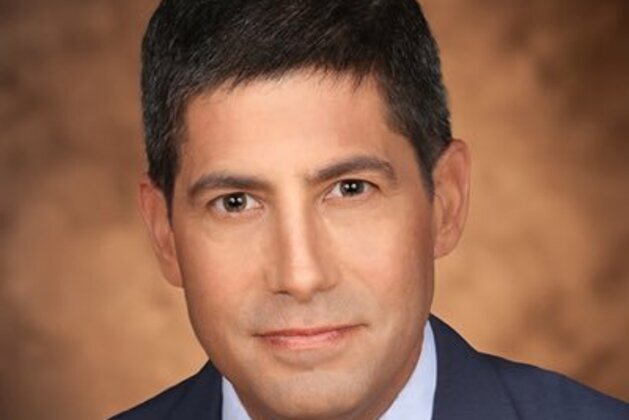
WASHINGTON D.C.: Federal Reserve chair nominee Kevin Warsh signaled sweeping changes to U.S. monetary policy on April 21, calling for...
Asia carriers see Europe demand jump amid Middle East disruption
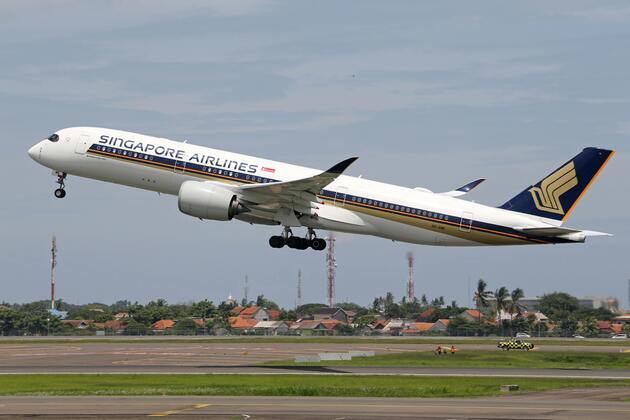
HONG KONG: Asian airlines are seeing a surge in demand for travel to Europe as disruptions at Middle Eastern hubs force passengers...
U.S. stock markets fret over possible resumption of Iran war

NEW YORK, New York - U.S. stock markets were again sold off on Tuesday as Wednesday's end to the U.S. ceasefire with Iran looms. It...
Apple insider Ternus takes top job amid AI and supply concerns

LONDON, U.K.: Apple has named longtime executive John Ternus as its next chief executive, marking a leadership shift at a critical...
Electric car sales surge in Europe amid petrol price spike

LONDON, U.K.: Electric vehicle sales across Europe surged sharply in early 2026, as rising fuel costs linked to the Iran conflict pushed...
